On 3 January 2026, the United States conducted **Operation Absolute Resolve**, a military strike against Venezuela that resulted in the capture of President Nicolás Maduro and his wife Cilia Flores.[1] The operation began around 2 a.m. local time with explosions across northern Venezuela, targeting infrastructure and military installations including Generalissimo Francisco de Miranda Air Base and Fort Tiuna in Caracas.[1] Maduro and Flores were transported to the United States, where they face federal charges related to drug trafficking and terrorism.[2]
The Trump administration had announced the military strikes on 2 January, following months of planning and preparation by the US Armed Forces.[1] According to reports, Maduro’s public dismissals of American threats in the weeks preceding the operation—including public appearances downplaying the situation—influenced the decision to proceed.[1] The operation notably marked the first operational use of one-way attack drones by the US military.[1] Trinidad and Tobago had previously signed an agreement allowing US military access to its airports in support of the operation.[1]
The capture prompted significant international controversy, particularly in Latin America. Brazilian senators condemned the action as a violation of Venezuelan sovereignty and international law.[2] Senator Jaques Wagner argued that no sovereign nation should be invaded by another and warned of risks to regional security, while Senator Renan Calheiros labeled it an illegal and unacceptable intervention.[2] Senator Zenaide Maia characterized the military action as creating a dangerous precedent for international law and the United Nations Security Council framework.[2] Vice President Delcy Rodríguez denounced the capture as a kidnapping.[1]
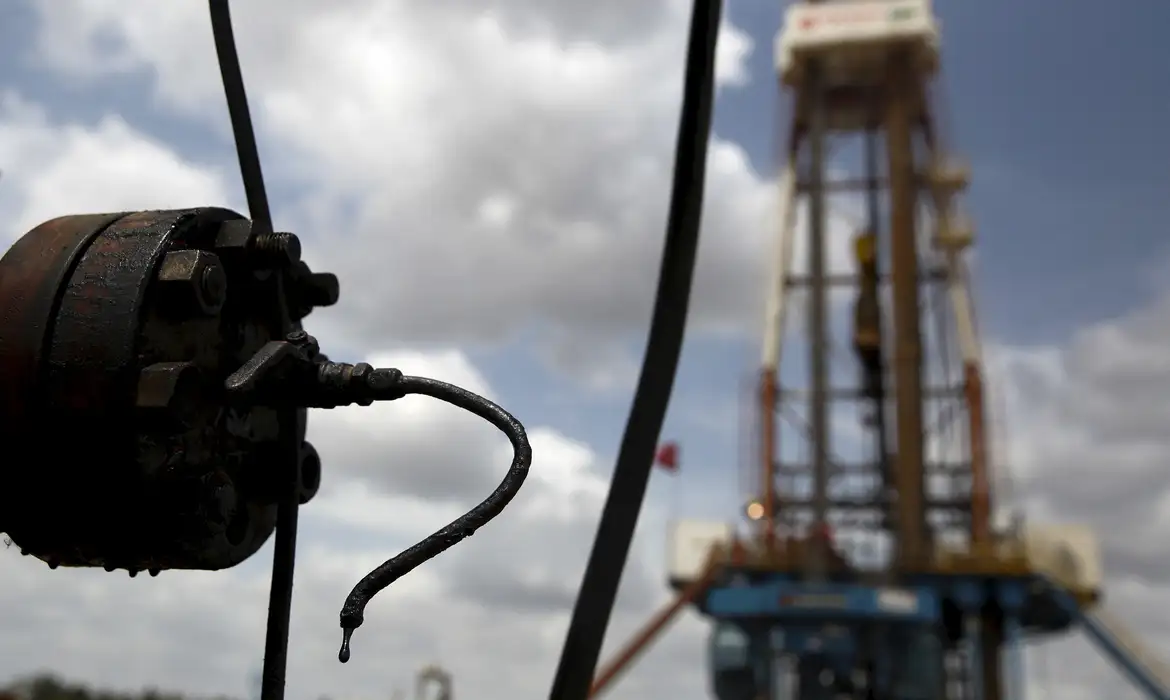
The operation had economic ripple effects, affecting commodity markets including gold, the US dollar, and petroleum prices.[1] However, according to energy experts, the immediate market volatility reflects speculative trading rather than genuine supply concerns, as Venezuela currently accounts for less than 1% of global petroleum markets.[1] This limited market share results from two factors: existing US embargoes against Venezuela and the specific characteristics of Venezuelan oil, which is extremely heavy and requires specialized refineries located primarily in the Gulf of Mexico and the United States.[1]
Despite possessing the world’s largest proven petroleum reserves, Venezuela’s ability to exploit this resource remains severely constrained by infrastructure limitations, embargo sanctions, and the technical requirements of processing its heavy crude.[1] The majority of Venezuelan petroleum reserves lack the extraction structures necessary for commercial production.[1] Energy experts note that while Venezuelan oil could potentially become important for long-term global markets, its current operational impact on international petroleum commerce is minimal.